
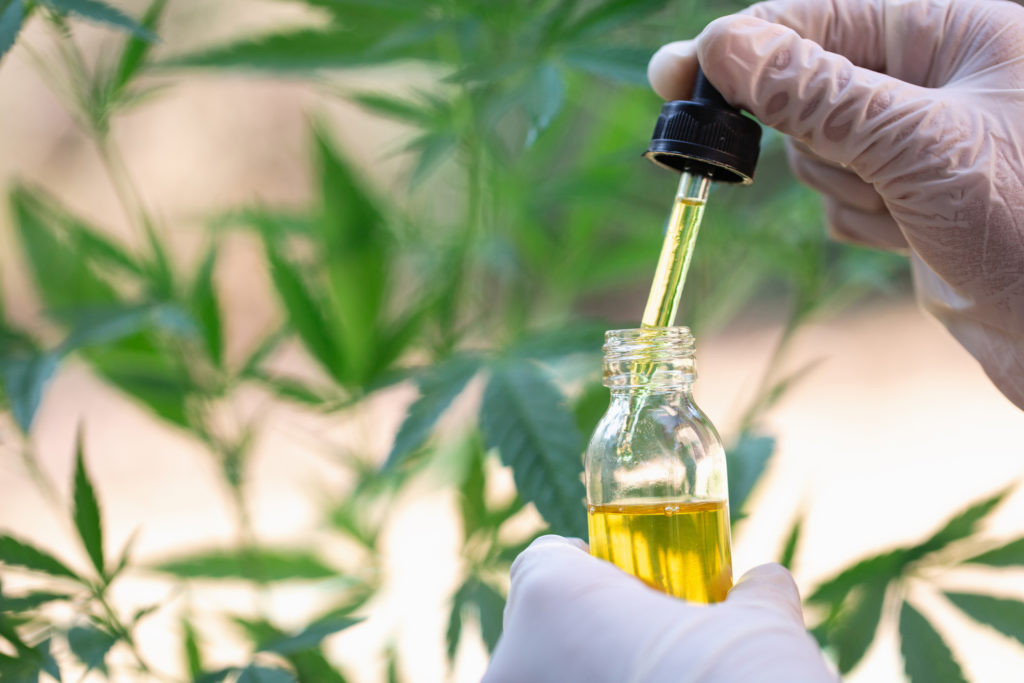
The wellness industry has experienced major changes over the last few years as consumers continue searching for more natural ways to support their lifestyles. Among the most discussed wellness trends is the growing interest in CBD based products. From oils and gummies to skincare and relaxation products, CBD has entered mainstream conversations in many parts of the world. People are becoming increasingly curious about alternatives that fit into modern wellness habits while still offering a more plant focused approach.
The movement toward natural wellness solutions reflects changing attitudes about health, balance, and self care. Consumers today are paying closer attention to ingredients, sourcing, and product transparency before making purchasing decisions. This shift has encouraged many wellness brands to focus on cleaner formulations and more responsible production practices.
Why Natural Wellness Is Becoming More Important
Modern lifestyles often involve busy schedules, digital overload, and constant pressure to stay productive. As a result, many people are exploring wellness products that encourage relaxation and personal balance. CBD products have gained attention because they are commonly associated with calmness and lifestyle support.
Consumers are also becoming more educated about wellness trends through online resources and media coverage. Discussions around plant based ingredients are now appearing across lifestyle blogs, podcasts, and even business news Australia trending topics. This increased visibility has helped CBD products move from niche wellness markets into broader public awareness.
The demand for natural products extends beyond CBD itself. Many shoppers now look for products free from unnecessary additives, artificial ingredients, and overly complex formulas. This reflects a larger cultural movement toward simplicity and mindful living.
Transparency Is Shaping Consumer Trust
One major reason for the popularity of CBD wellness products is the growing emphasis on transparency. Modern consumers want to understand what they are purchasing and where those products come from. Companies that provide detailed ingredient information, sourcing details, and testing practices often build stronger relationships with customers.
Brands that prioritize quality control and third party testing are becoming more respected in competitive wellness markets. This has encouraged many businesses to improve labeling standards and educate consumers about how their products are made.
Some of the top Australian businesses in wellness and lifestyle sectors are also focusing on sustainable packaging, ethical farming partnerships, and environmentally conscious branding. Consumers increasingly appreciate companies that align with broader values related to sustainability and responsible manufacturing.
CBD Wellness and Lifestyle Culture
CBD products are no longer viewed only as niche supplements. They are becoming part of larger lifestyle discussions connected to relaxation, fitness, skincare, and wellness routines. Many consumers now incorporate wellness habits into daily schedules through meditation, balanced nutrition, outdoor activities, and natural products.
Cities with active wellness cultures often contribute to these changing consumer habits. People searching for things to do in Melbourne may now encounter wellness events, yoga spaces, organic markets, and lifestyle festivals that include conversations around natural health products and mindful living.
This broader wellness culture has helped CBD products become more socially accepted. Instead of being marketed purely as trend based items, many brands now position CBD products as part of balanced lifestyle experiences.
The Influence of Urban Living on Wellness Trends
Urban environments can strongly influence how people approach health and relaxation. Fast paced city lifestyles often create demand for products that support personal downtime and stress management. This has helped natural wellness solutions gain popularity among younger professionals and city based consumers.
Guides focused on city experiences such as a Sydney locals guide frequently highlight wellness cafes, mindfulness studios, outdoor recreation spaces, and holistic lifestyle experiences. These trends show how wellness culture is increasingly connected to daily urban routines rather than occasional self care activities.
CBD wellness products fit naturally into this shift because they are often associated with convenience and accessibility. Whether through teas, oils, skincare, or wellness accessories, consumers are finding ways to integrate natural products into everyday life.
Social Media and Consumer Awareness
Social media has played a significant role in expanding interest in CBD wellness solutions. Influencers, wellness creators, and lifestyle brands regularly discuss relaxation routines, mindfulness habits, and natural living strategies online. This constant visibility has encouraged curiosity among consumers who may not have previously explored CBD products.
Digital content has also made it easier for consumers to compare products, read reviews, and learn about different wellness approaches. The idea of Australian urban living now often includes conversations about balanced routines, healthy environments, and wellness focused lifestyles that prioritize both physical and mental well being.
As wellness culture continues evolving, CBD products are likely to remain part of larger discussions around natural living and self care. Consumers increasingly value products that align with transparency, simplicity, and mindful daily habits.
Conclusion
The shift toward natural CBD wellness solutions reflects broader lifestyle changes happening across modern society. Consumers are becoming more intentional about the products they use and the routines they follow. Transparency, sustainability, and personal wellness now influence purchasing decisions more than ever before. CBD wellness products have gained popularity because they fit within these evolving expectations. As awareness continues to grow, natural wellness solutions are likely to remain an important part of future conversations surrounding lifestyle, balance, and modern self care.